Vastu Guidelines for Placing God Statues in Temples and Living Spaces
"Harmonize your household energy by following ancient Vastu principles for idol placement, directional alignment, and auspicious heights."
Aligning Spiritual Energy with Vastu Principles
According to ancient Indian architecture and Vastu Shastra, placing sacred statues in proper orientations channels vitality, peace, and abundance into a home. Here are vital principles to keep in mind when establishing your deities.
1. Directional Alignment
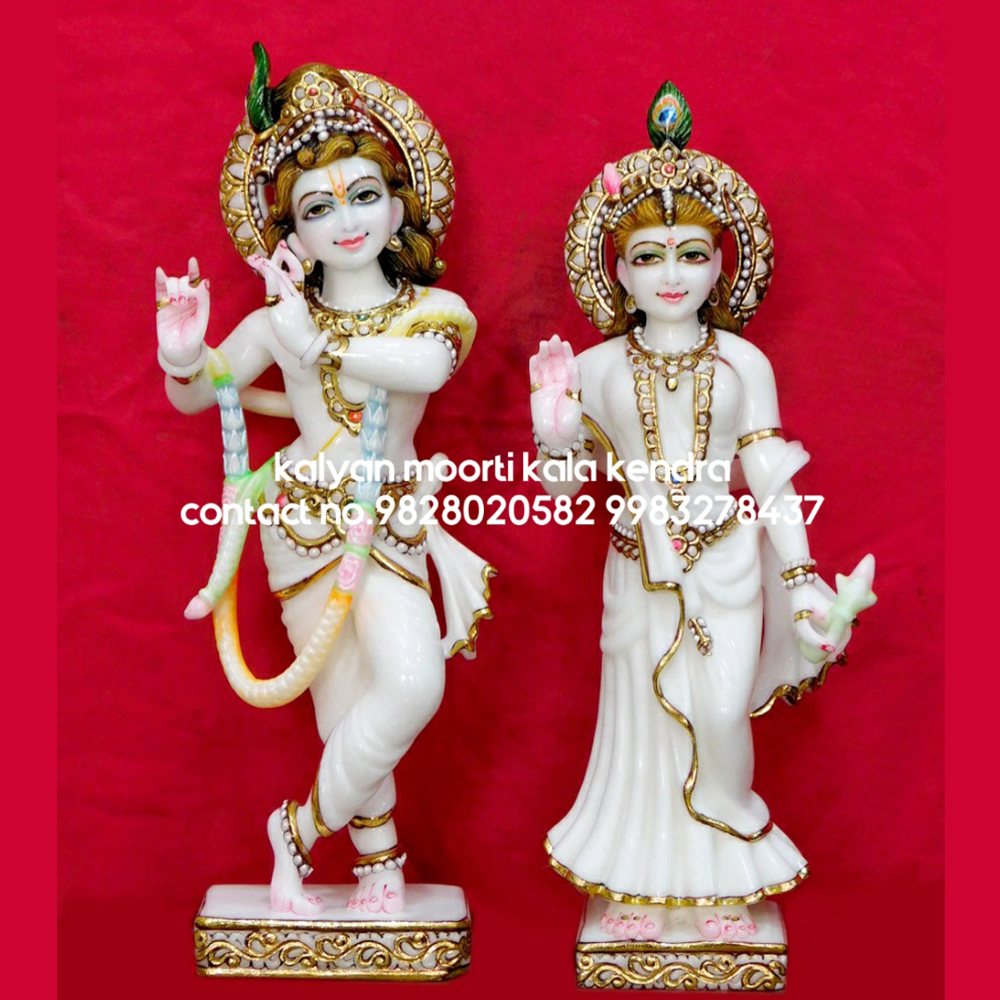
- North-East (Ishanya): The most auspicious quadrant for Lord Shiva, Lord Krishna, and Maa Laxmi.
- North: Governed by Lord Kuber and Lord Ganesha; ideal for invoking prosperity and wisdom.
- East: Welcomes the morning sun rays, bringing positivity and spiritual clarity.
2. Lord Ganesha: Trunk Direction Matters
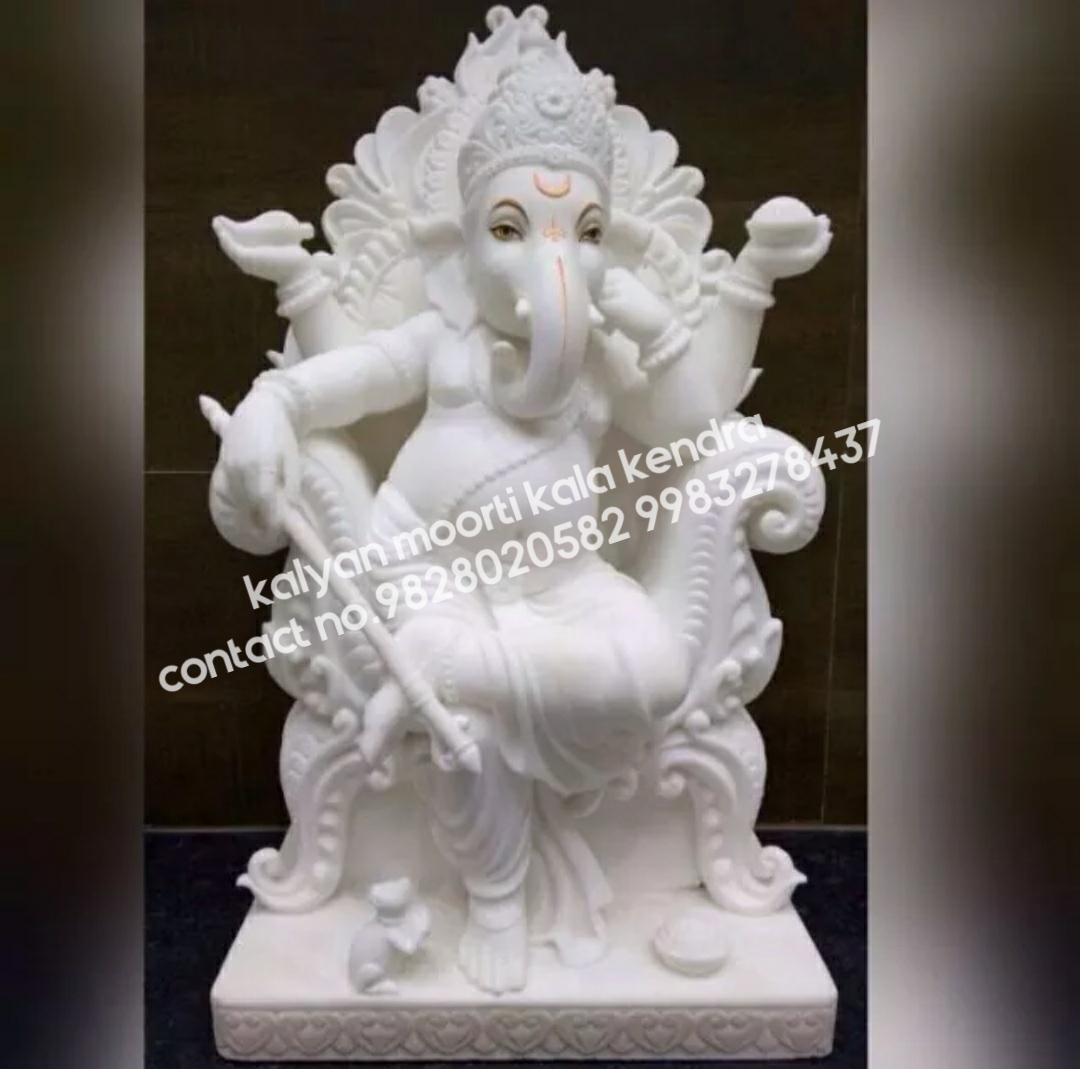
When selecting a Marble Ganesha Idol for your entrance or mandir, the direction of Lord Ganesha's trunk holds special significance:
- Left-turned Trunk (Vamamukhi): Associated with Chandra Nadi, bringing peace, prosperity, and domestic joy. Most recommended for households.
- Right-turned Trunk (Dakshinabhimukhi): Associated with Surya Nadi, requiring rigorous and disciplined pooja rituals, frequently preferred in temples.
3. Key Do's and Don'ts for Residential Mandirs
- Never place idols directly on the floor; always use a raised marble chauki or wooden pedestal.
- Do not position two statues of the same deity facing each other.
- Ensure statues remain crack-free and are crafted from non-synthetic natural stones.
- Maintain adequate space around each idol for daily aarti and pradakshina.

Kalyan Moorti Kala Kendra
Established in 1978 in Jaipur, Kalyan Moorti Kala Kendra is a pioneer in handcrafted Makrana white marble & black marble god and goddess statues. We deliver pan-India and export worldwide with sacred reverence and custom artistry.